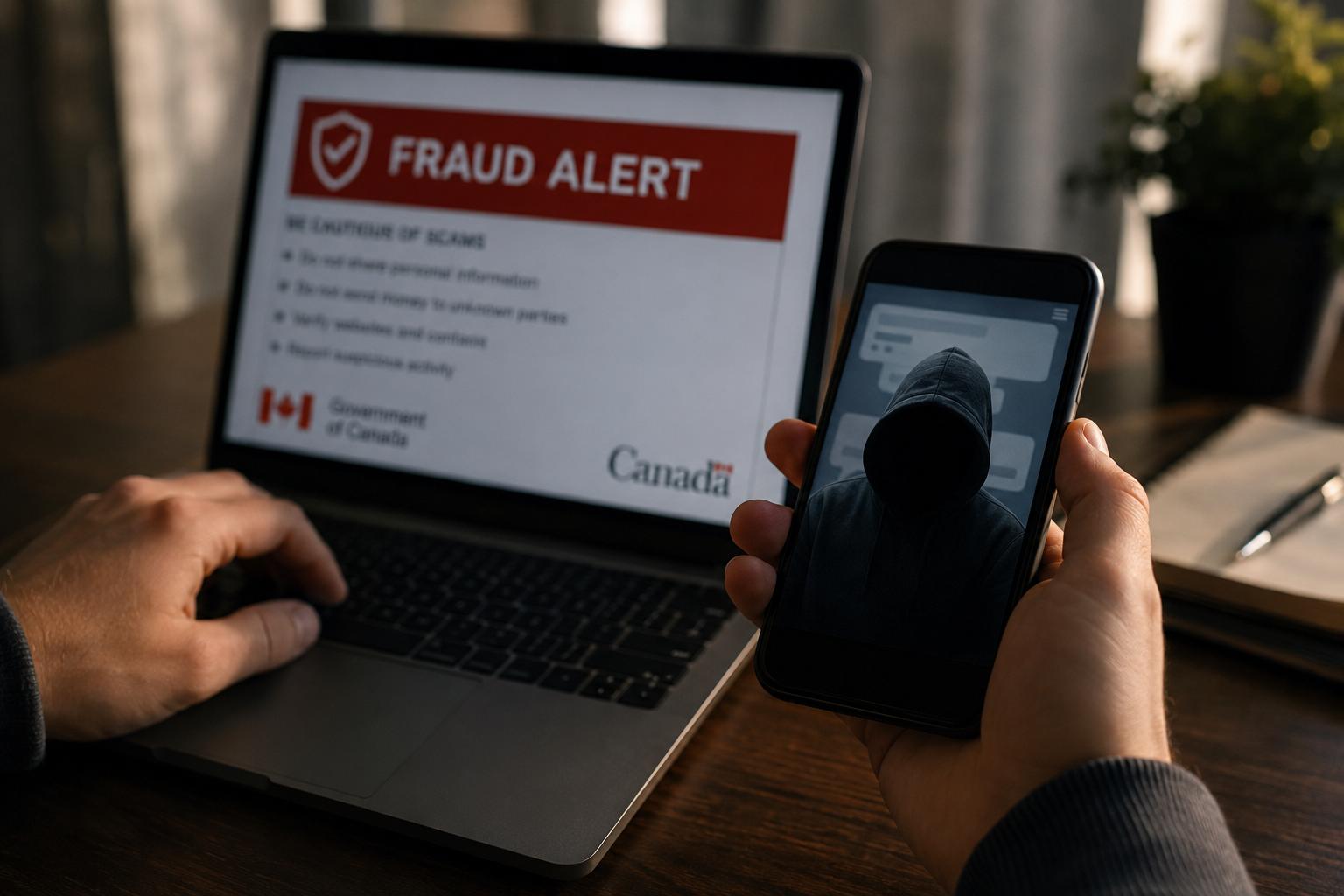
Canada Is Responding to Fraud and Disappearance Cases Linked to Digital Entertainment
Across Canada, digital entertainment has become a normal part of everyday life. Online gaming, streaming communities, social platforms, and interactive betting environments attract millions of users each year. But alongside that growth, authorities and advocacy groups are paying closer attention to a darker trend: fraud schemes, identity manipulation, and even disappearance cases that appear to be linked, directly or indirectly, to online entertainment ecosystems.
In recent years, investigators have noted that digital spaces can create opportunities for bad actors to exploit vulnerable users. Fake profiles, payment scams, coercive relationships, and misleading promotional tactics can begin in what looks like a harmless entertainment setting. In some cases, individuals are lured into financial fraud. In more serious situations, digital contact has reportedly played a role in missing persons investigations.
Why Canadian Authorities Are Paying Closer Attention
As Canada strengthens its consumer protection and public safety response, one area of growing focus is helping users distinguish between regulated platforms and risky ones. For consumers seeking safer environments, resources discussing the best gambling sites in Canada have become increasingly relevant, especially as users try to avoid unlicensed operators and deceptive platforms that may expose them to fraud.
Officials, researchers, and public-interest organizations have emphasized that not every issue tied to digital entertainment begins with criminal intent. Some cases involve grooming, romance scams, or financial manipulation that evolve gradually over time. A person may first meet someone through a gaming chat, community forum, or gambling-adjacent promotional site, only to later face pressure involving money transfers, account access, or in-person meetings.
The Connection Between Online Activity and Missing Persons Cases
Canadian law enforcement agencies have responded by expanding cybercrime awareness campaigns and encouraging the public to report suspicious digital interactions earlier. Financial institutions and online payment services have also increased scrutiny around unusual transaction patterns that may suggest exploitation or fraud. The broader objective is not only to react to crimes after they occur, but to reduce the number of people entering unsafe digital situations in the first place.
The disappearance angle has drawn special concern. While not every missing persons case has a digital entertainment connection, investigators increasingly acknowledge that online relationships and virtual communities can hold important clues. Devices, private messages, account histories, and app activity can all become critical pieces of an investigation. Public-facing organizations that support cold case awareness continue to stress the importance of transparency, reporting, and family outreach. More background on that mission can be found through the Cold Cases overview and the site’s contact page.
Fraud Risks in Fast-Moving Digital Spaces
Experts also point out that the digital entertainment economy moves faster than regulation. Promotional models evolve quickly, and scammers are often early adopters of new channels. This can include impersonating trusted brands, using bonus offers to lure users, or directing people toward fraudulent mirror sites. Educational efforts therefore remain essential. Media literacy, privacy awareness, and understanding platform licensing are all practical tools that reduce risk.
Canada’s response has increasingly involved cooperation between sectors. Law enforcement, consumer advocates, cybersecurity specialists, and journalists all play a role in identifying patterns before they become widespread threats. International collaboration matters too, since many fraudulent schemes are cross-border by design. Guidance from established cyber safety organizations such as the Canadian Centre for Cyber Security has helped reinforce best practices for recognizing scams, protecting personal information, and responding to suspicious online activity.
Balancing Innovation With Accountability
At the user level, the warning signs are often familiar: urgent requests for money, attempts to move conversations off-platform, fake investment or betting claims, unverifiable identities, and pressure to share personal or financial details. These behaviors can surface in many online settings, including spaces built primarily for recreation. That is why safety discussions around digital entertainment are no longer limited to screen time or spending habits; they now include fraud prevention and, in some cases, personal security.
The challenge for Canada is balancing innovation with accountability. Digital entertainment is not inherently dangerous, and millions of Canadians engage with it responsibly every day. However, as the boundaries between entertainment, commerce, and social interaction continue to blur, policymakers and users alike are recognizing the need for stronger safeguards.
The current response suggests a broader shift in thinking: digital platforms are no longer viewed only as entertainment products, but as environments where trust, money, and personal vulnerability intersect. Whether the concern is fraud, coercion, or a disappearance investigation, early awareness is one of the strongest forms of protection. Canada’s efforts to strengthen oversight, improve reporting, and educate users are part of a larger attempt to make these spaces safer without losing the benefits they offer.